👥
Different starting points
Learners enter programs with different skills, grades, goals, and levels of confidence.
Give your co-op, micro-school, private school, tutoring or learning center, nonprofit, library, after-school or youth program a complete K–12 reading, writing, and math system built for engagement, measurable growth, and meaningful reporting.
Community organizations are often expected to meet diverse academic needs, support families, document outcomes, and sustain engagement with limited staff and limited time.
Learners enter programs with different skills, grades, goals, and levels of confidence.
Program teams need tools that help staff and volunteers deliver consistent support without adding complexity.
Funders and partners expect clear evidence that participation is leading to progress.
Families need meaningful updates and practical ways to support learning beyond program hours.
A co-op, a micro-school and an after-school programme all answer to somebody: parents, a board, a funder. Skhillz carries the assessment, the plan and the evidence so a team of three can run a programme that reports like a team of thirty.
See licensing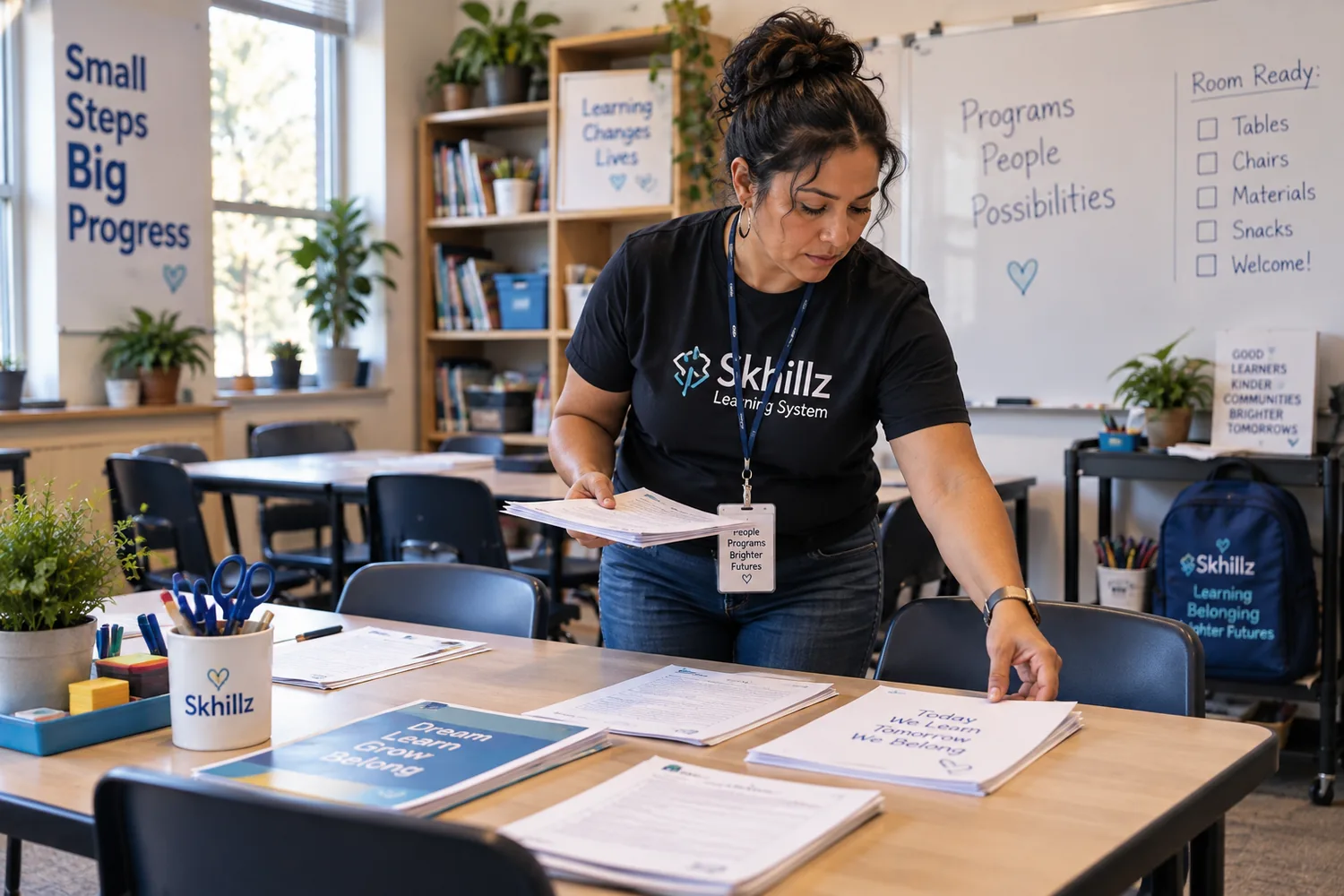
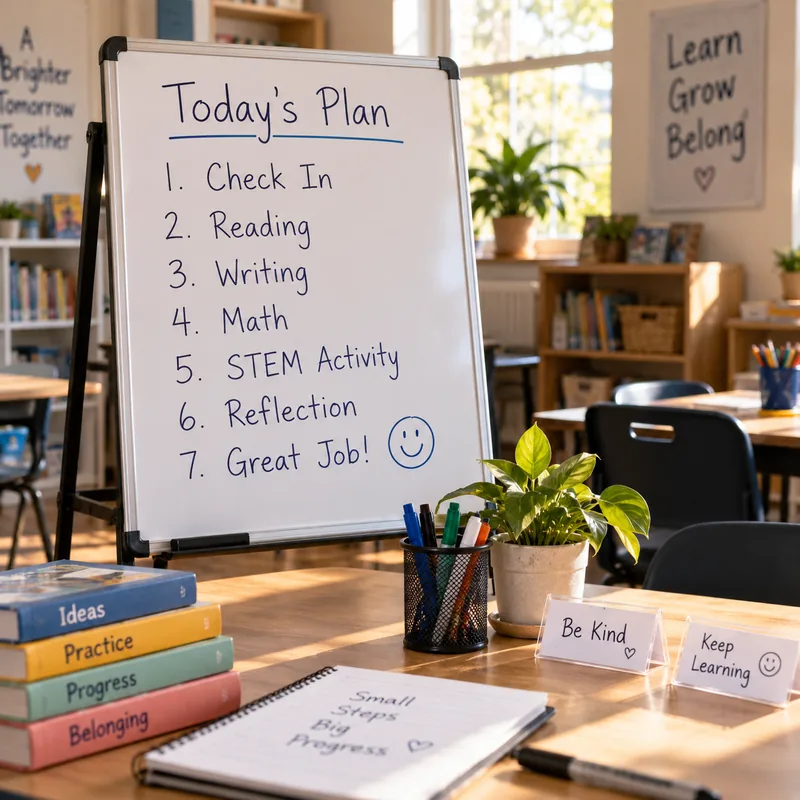
Skhillz helps organizations understand each learner’s needs, deliver the right next experience, and document progress over time.
Program leaders can quickly understand enrollment, engagement, learning growth, implementation health, and where learners may need additional support.
Attendance and enthusiasm are real but they do not survive a grant report. Growth by skill, by learner, over time, is the thing that renews funding, and it comes out of the work rather than out of a separate evening spent building a deck.

Skhillz helps organizations move beyond attendance-only reporting by connecting participation to learning progress, engagement, milestones, and implementation data.
Launch one program, strengthen several sites, or extend learning into homes without requiring every organization to operate the same way.
Staff or volunteers facilitate learning at a community location using individual learner accounts and program dashboards.
Learners continue from home while program staff monitor engagement and families receive progress updates.
Organizations coordinate several locations, cohorts, or partner programs through shared licensing and aggregate reporting.
A co-op, a micro-school and a tutoring center share a license type and share almost nothing else. The system fits the model rather than the other way round.
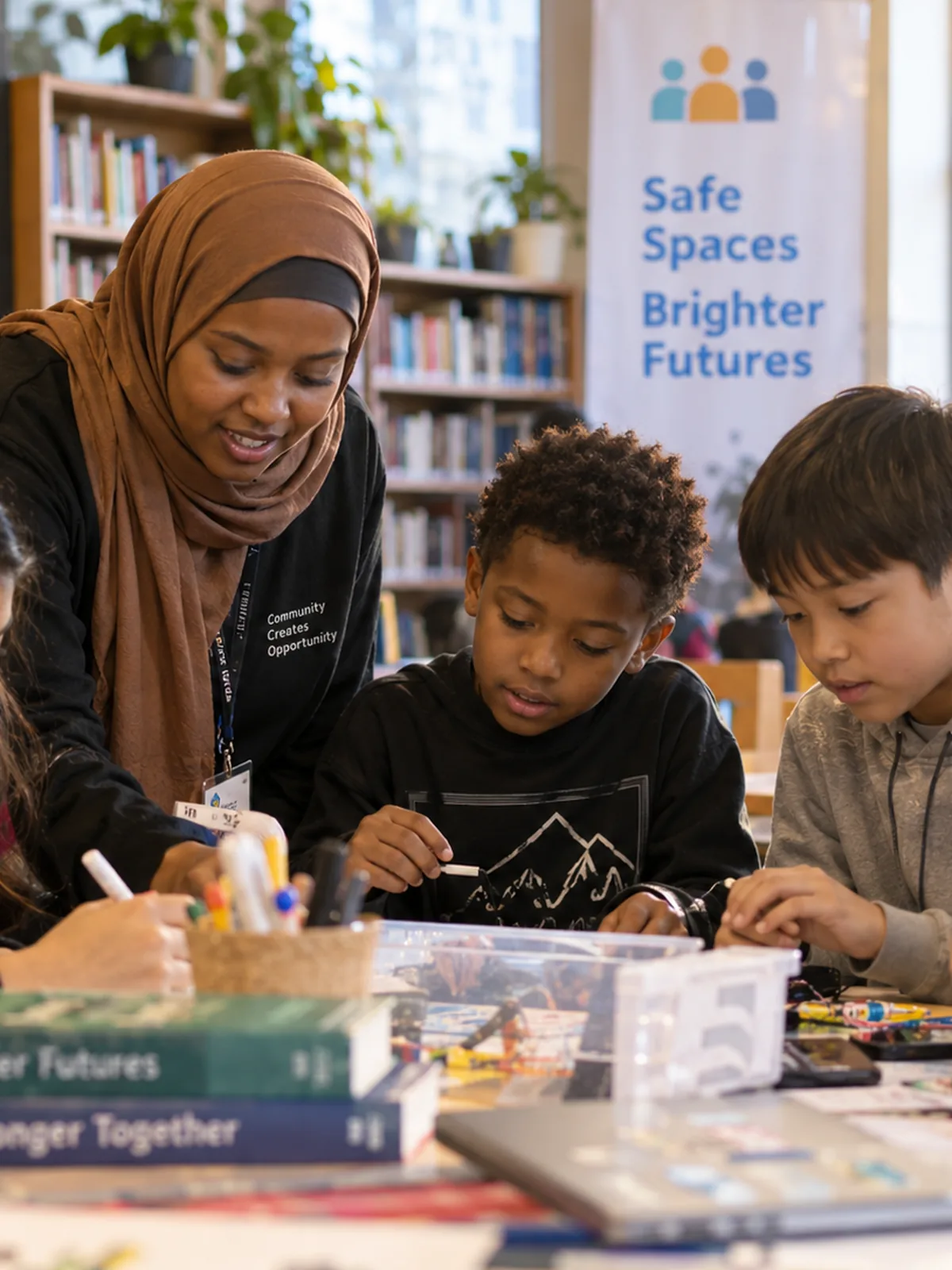
Several grade levels working at once, each on their own path, with one adult in the room.
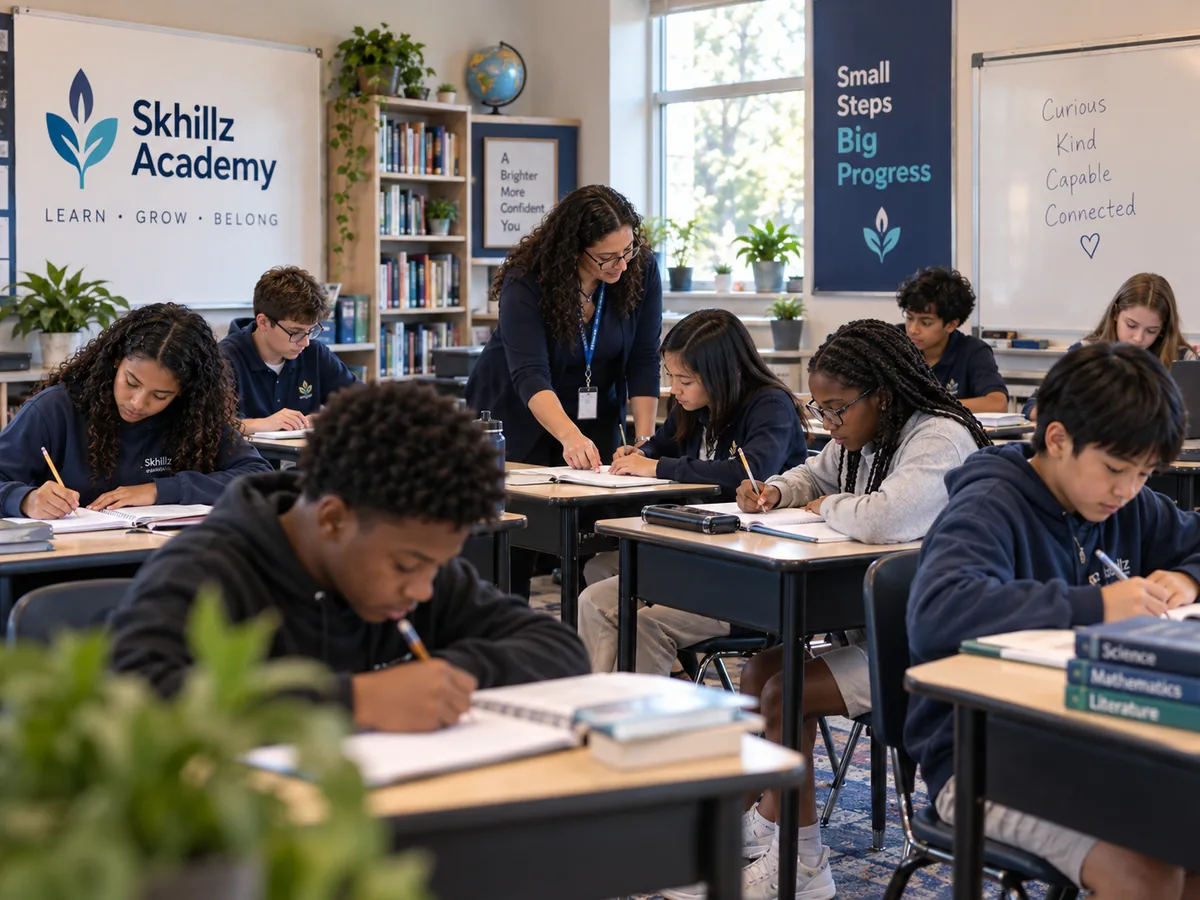
Reading, writing and math with the reporting an independent school owes its parents.
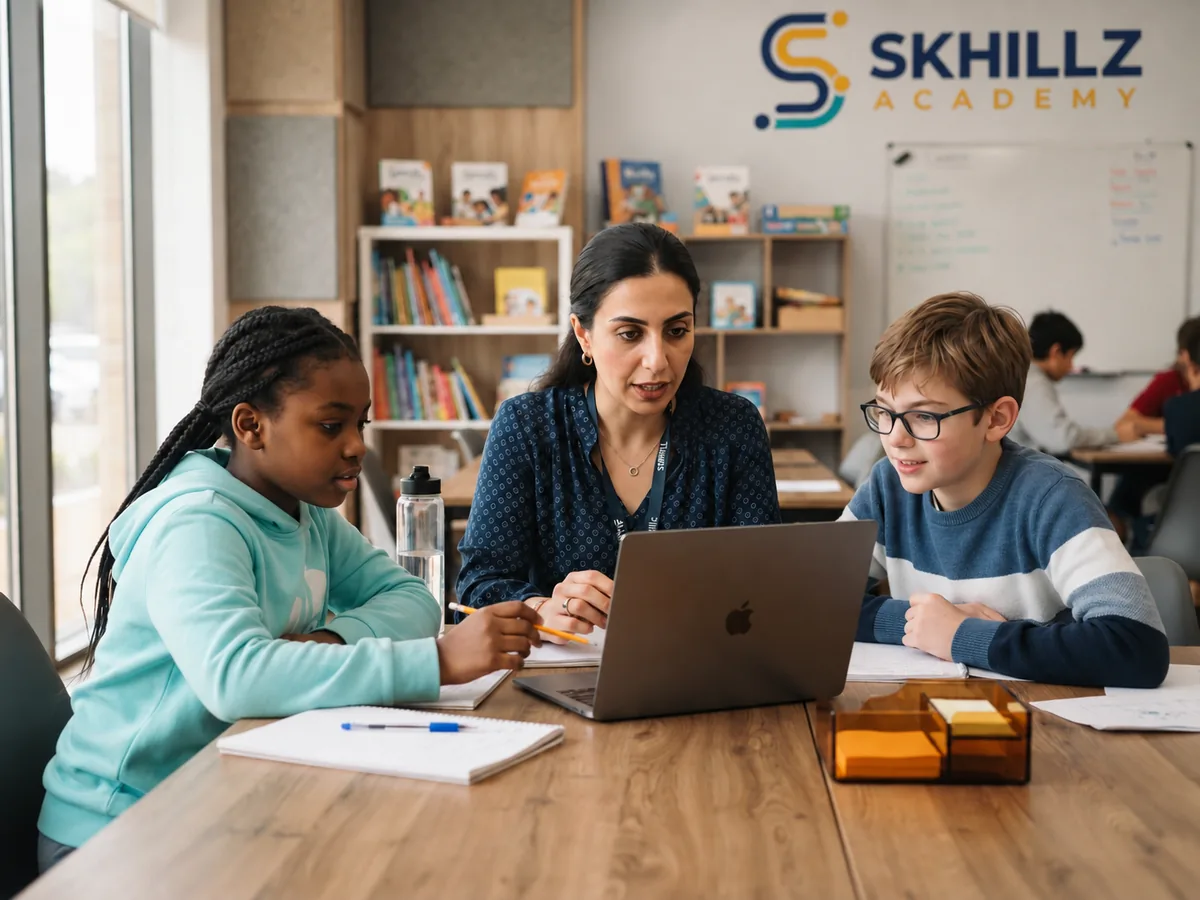
Evidence a parent can see after every session, and a path that carries between them.
Add structured K–12 learning support, family literacy engagement, and measurable educational outcomes to library programming.
Give staff and volunteers a clear learning structure that adjusts to each learner while supporting program-wide goals.
Strengthen youth development, family support, and academic enrichment with one coordinated learning platform.
Reduce learning loss, reinforce foundational skills, and document growth during short-term intensive programs.
Support tutoring, mentoring, family engagement, and youth enrichment with flexible, age-appropriate learning pathways.
Deploy Skhillz through foundation, corporate, government, or collaborative community education initiatives.
Organizations can combine learning progress with implementation and engagement context to tell a more complete story.
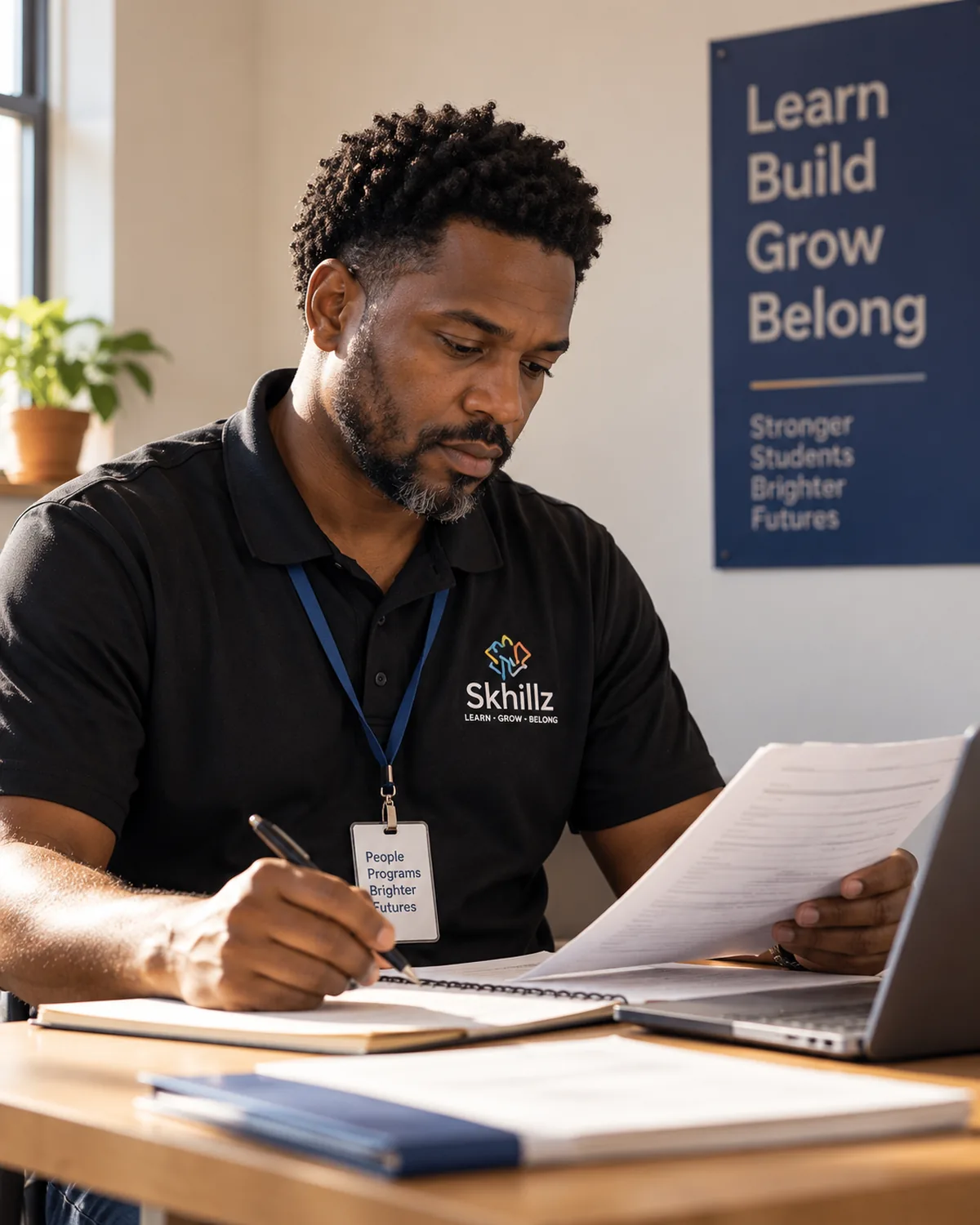
Programme lead, tutor, reporting analyst and the person who locks up. The tooling assumes that: setup a non-specialist can do, reporting that does not need a data team, and a learner experience that does not need an adult sitting beside it.
Sample perspectives below will be replaced by verified implementation stories after pilots and customer launches.
“We needed more than an activity platform. We needed to know whether our students were actually growing.”
Program director perspectiveCommunity learning center
“Our volunteers needed a structure they could use confidently without becoming full-time teachers.”
Volunteer coordinator perspectiveAfter-school program
“The family reports helped us extend the learning conversation beyond the time children spent in our building.”
Family engagement perspectiveLiteracy initiative
One group, one term, one report at the end of it. If the evidence holds up, widen it. Pilot and phased options exist precisely so nobody has to bet a year on a promise.

Final pricing will reflect learner volume, implementation model, support needs, integrations, and reporting requirements.
Explore implementation, staffing, reporting, family access, licensing, and support.
Ask another questionTell us about your learners, program model, locations, goals, and reporting needs. We will help you explore an implementation pathway that fits your mission.